5 Things You Should Definitely Know About Space Computing
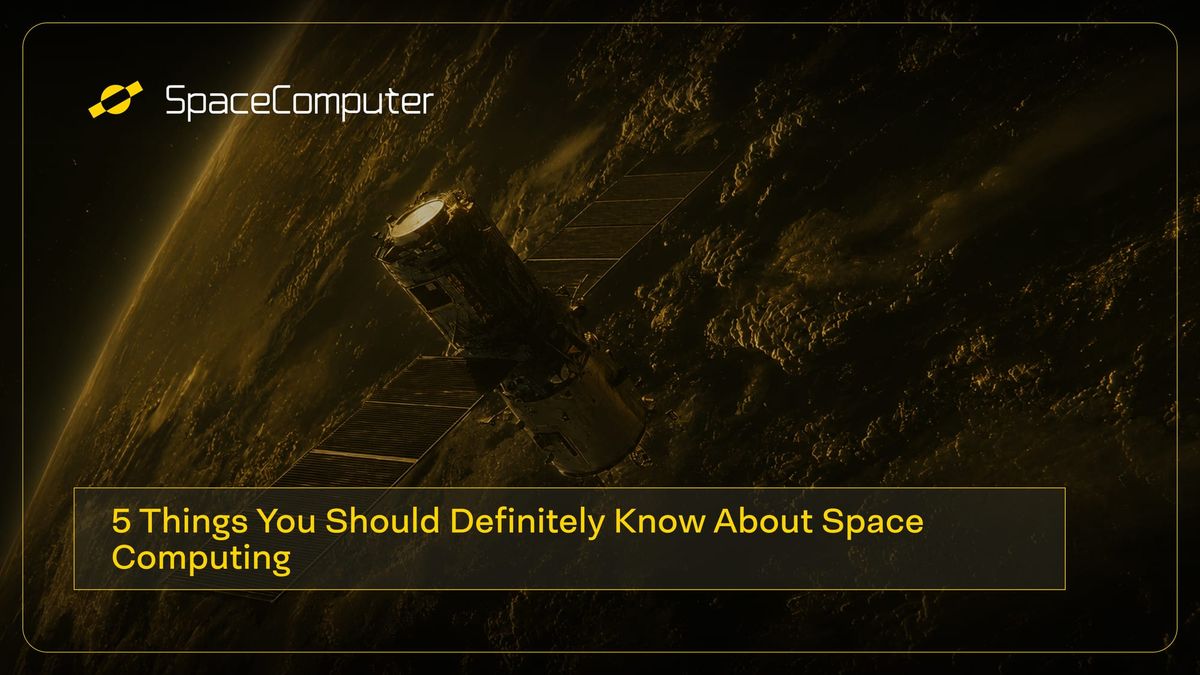
You should know space computing runs on specialized, rugged systems designed to survive harsh cosmic conditions. It faces intense radiation and limited power, so it uses radiation-hardened hardware and power-efficient components. Data is processed and transmitted with precision despite long distances and bandwidth limits. Cutting-edge innovations like AI and quantum tech boost performance and adaptability. Understanding these essentials will give you a clearer picture of how space tech overcomes Earth-bound limits to power missions beyond our planet.
#1: How Space Computing Differs From Earth Systems
When you compare space computing to Earth-based systems, you'll notice several critical differences driven by the harsh environment beyond our planet.
Space computers must operate reliably with limited maintenance opportunities, meaning you can’t just reboot or fix hardware easily. They rely on specialized, robust components designed to withstand extreme temperatures and mechanical stresses during launch and operation.
Unlike Earth systems, space computing often prioritizes redundancy and fault tolerance to ensure mission success.
You’ll also find that processing speeds and memory capacities are often balanced against durability and power constraints, making space computing uniquely tailored for its extraordinary setting.
#2: Radiation and Power Challenges in Space Computing
Although space offers incredible opportunities for exploration and discovery, it also presents serious radiation and power challenges that impact computing systems. You’ll face intense cosmic rays and solar radiation that can disrupt or damage delicate electronics.
To protect your hardware, you’ll need radiation-hardened components and error-correcting codes.
Power is another hurdle. Spacecraft rely on limited energy sources like solar panels or batteries, so efficiency is vital. You’ll have to design systems that consume minimal power while maintaining performance.
Balancing radiation protection with power constraints is essential to keep space computers reliable throughout missions.
#3: Data Processing and Transmission in Space Computing
Data processing and transmission in space computing demand precise coordination and efficiency to handle vast amounts of information sent across millions of miles. You'll rely on specialized hardware that processes data quickly while minimizing errors caused by cosmic radiation.
Communication systems use sophisticated encoding and error-correction techniques to maintain data integrity despite long distances and delays. You must optimize bandwidth since transmission windows are limited, and power consumption is critical.
Real-time decision-making depends on swift data handling, so onboard processors handle preliminary analysis before sending essential info back to Earth.
Mastering these processes guarantees reliable and effective space missions.
#4: Innovations Driving the Future of Space Computing
Several groundbreaking innovations are transforming how space computing tackles challenges beyond Earth. You’ll see advancements like quantum computing, which promises immense processing power for complex space data analysis.
AI-driven algorithms help you automate decision-making in real-time, improving mission efficiency.
Edge computing lets you process data directly on spacecraft, reducing delays.
Additionally, radiation-hardened hardware guarantees reliability in harsh cosmic environments.
You’ll also find modular, reconfigurable systems that adapt to mission needs, extending functionality without physical upgrades.
These innovations equip you to handle the growing demands of exploration, making space computing faster, smarter, and more resilient than ever.
#5: Why Power Efficiency Matters in Space Computing
Because spacecraft rely on limited energy sources like solar panels or batteries, you need to prioritize power efficiency in space computing. Every watt you save extends mission duration and improves system reliability.
Power-efficient hardware reduces heat generation, minimizing cooling needs and preventing component failure. You also conserve precious onboard resources, ensuring critical systems stay operational longer.
Efficient computing lets you process data faster without draining energy reserves, which is essential during long-distance transmissions.
Frequently Asked Questions
How Do Space Computers Handle Extreme Temperature Fluctuations?
You rely on specially designed hardware and thermal control systems to handle extreme temperature changes in space computers.
They use insulation, heaters, and radiators to maintain stable temperatures, ensuring your devices keep functioning properly despite harsh conditions.
What Materials Are Used to Build Space Computing Hardware?
You’ll find space computing hardware uses radiation-hardened silicon, special ceramics, and aluminum alloys.
These materials handle extreme conditions, resist radiation, and maintain performance, ensuring your devices stay reliable even in harsh space environments.
How Is Software Updated in Space Computers Remotely?
You update space computer software remotely by sending patches via secure radio links.
The system verifies and installs updates autonomously, ensuring minimal disruption while maintaining security and functionality despite communication delays or interruptions.
What Role Does AI Play in Autonomous Space Missions?
AI helps you make real-time decisions during autonomous space missions, managing navigation, system health, and data analysis.
It lets your spacecraft adapt independently, ensuring mission success without constant human control or communication delays.
How Do Space Computers Recover From Hardware Failures?
You’ll find space computers use redundancy and error-correcting codes to recover from hardware failures. They automatically switch to backup systems and run self-checks.
This ensures missions keep running smoothly even when components fail unexpectedly.
Now that you know how space computing faces unique challenges like radiation, power limits, and data transmission, you can appreciate the innovations shaping its future. You'll see why power efficiency isn't just a bonus but a necessity in space systems. As space technology advances, understanding these key points helps you grasp the incredible effort behind every mission. Stay curious! Space computing is evolving fast, and it’s changing how we explore the final frontier!
Make sure to subscribe to our blog and stay up-to-date with what's happening in orbital computing and space internet infrastructure.
This article is brought to you by SpaceComputer, we're building the secure compute layer for the space internet.
If your team is working on hosted payloads, orbital compute, or sovereign workloads in space, we would like to hear from you. Reach us at product@spacecomputer.io.
Follow us on LinkedIn and X (Twitter).
Check out our website for more information.
Discover your next read:
 Tara Everding